3 Multifaceted role of mitochondrial Hsp70 Mitochondrial Hsp70 is... Download Scientific Diagram

Common physical exam findings in cyanide poisoning include bright red venous blood or cherry-red skin. 4,5 While whole blood cyanide testing is available there are limitations that include false negatives due to high volatility and the lack of timely availability of test results. 6 Other biomarkers have been suggested as a surrogate marker of consequential cyanide exposure such as lactate and.
Measurement of mitochondrial respiration in bovine oocytes. A) Scheme... Download Scientific
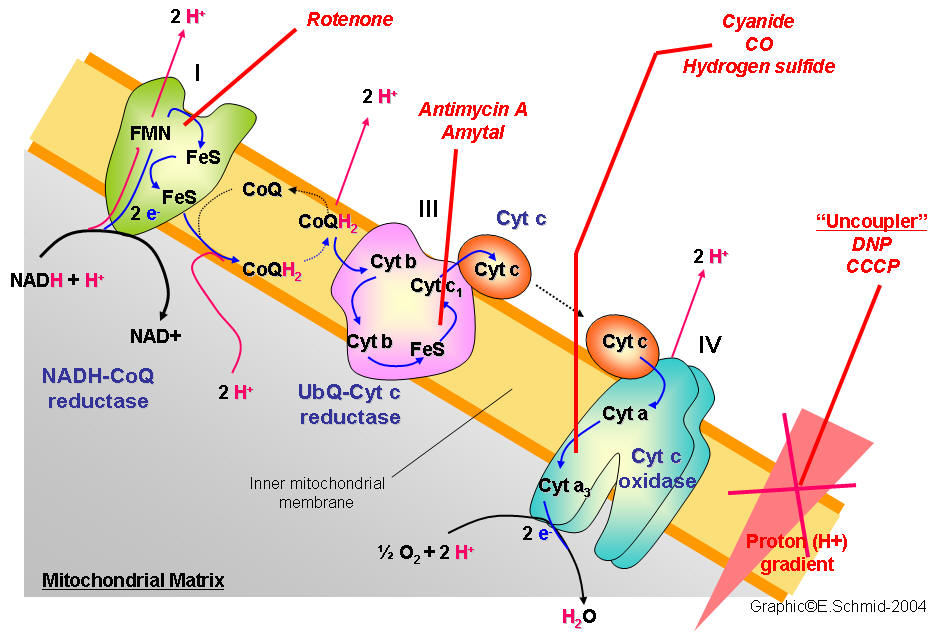
Carbonyl cyanide 4-(trifluoromethoxy)phenylhydrazone (FCCP) is an agent that inhibits the proton gradient and disrupts the mitochondrial membrane potential, and inhibitors rotenone and antimycin A.
Cells Free FullText Role of MitochondriaCytoskeleton Interactions in the Regulation of

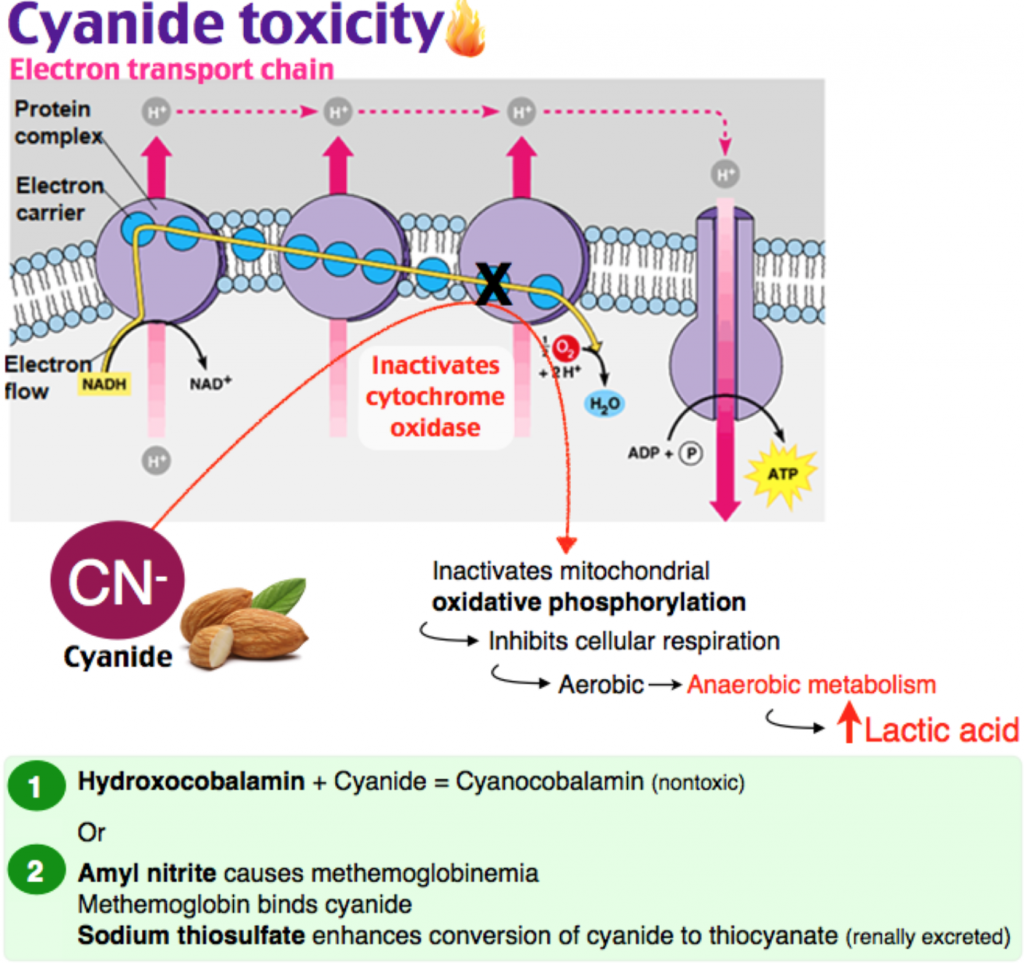
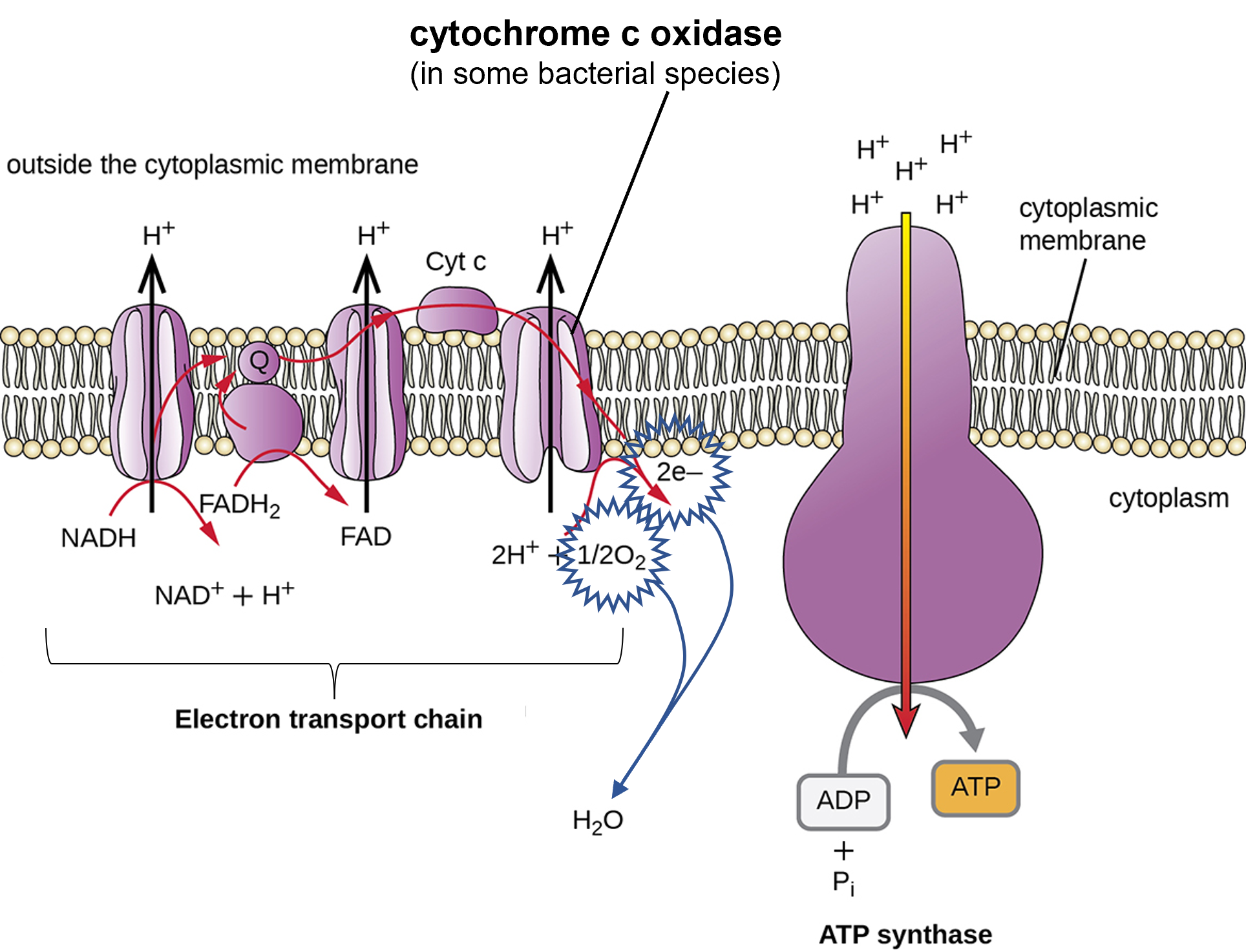
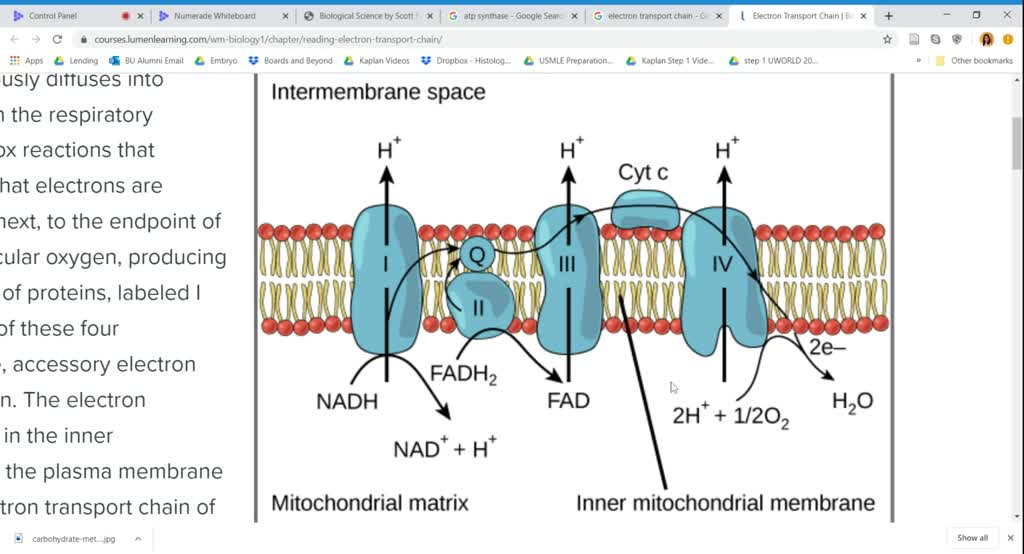
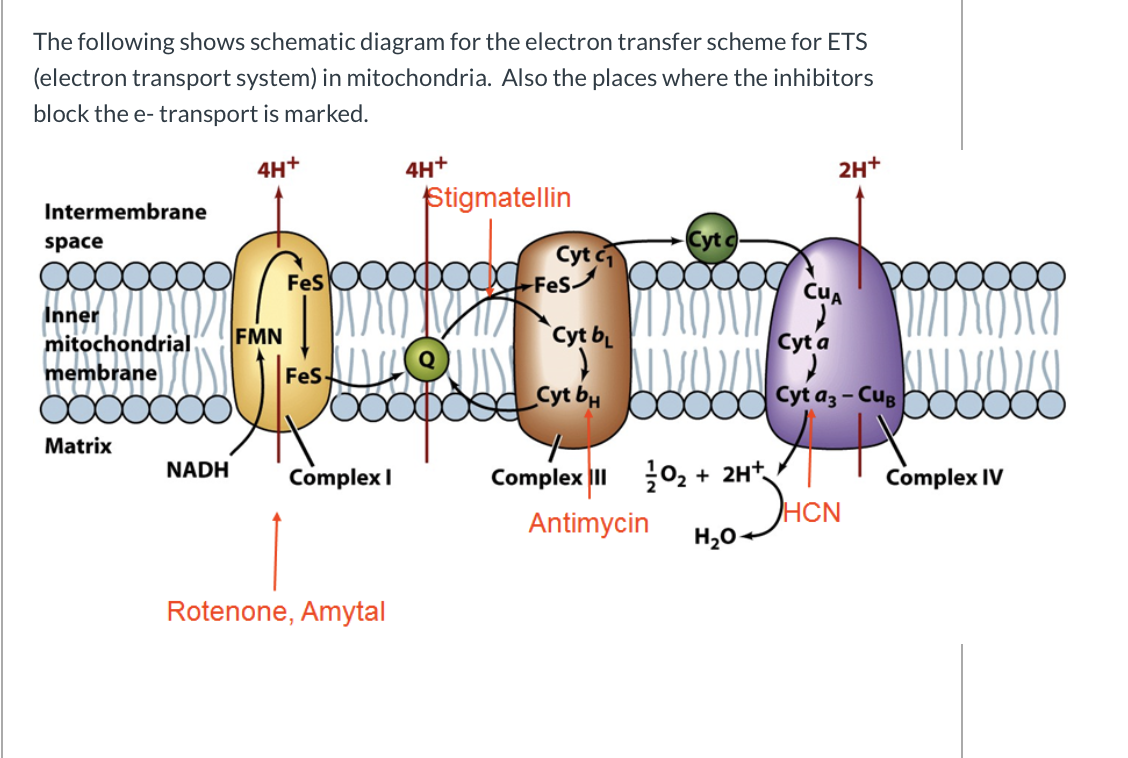
Mitochondrial respiration is responsible for the majority of adenosine triphosphate (ATP) generation in eukaryotes. Electron transport along the mitochondrial electron transport chain complexes I, II, III, and IV creates an electrochemical proton gradient, which acts as the driving force for ATP generation ().Cyanide has been long recognized as an inhibitor of mitochondrial electron transport.
CDN inhibits mitochondria complex IV a, Mitochondrial membrane... Download Scientific Diagram

Cyanide is a potent toxicant that produces a rapid onset, histotoxic anoxia by inhibiting mitochondrial oxidative phosphorylation ().Cyanide binds to the cytochrome c oxidase (CcOX) heme a 3-Cu B binuclear center to inhibit both cellular oxygen utilization and ATP production ().Due to CcOX inhibition, cyanide initiates a catastrophic cascade of reactions leading to neurological and myocardial.
Emergency Medicine EducationEM3AM Cyanide Toxicity Emergency
In mammalian cells, cyanide is viewed as a cytotoxic agent, which exerts its effects through inhibition of mitochondrial Complex IV (Cytochrome C oxidase [CCOx]). However, the current report demonstrates that cyanide's effect on CCOx is biphasic; low (nanomolar to low-micromolar) concentrations stimulate CCOx activity, while higher (high-micromolar) concentrations produce the "classic.
Cyanide as a Complex IV inhibitor and mitochondrial poison. CCOx dimer... Download Scientific

duce cyanide, thereby maintaining nanomolar to low-micromolar physiological cyanide levels (2-5). We have therefore evaluated the potential effect of a broad concentration range of cyanide on mitochondrial function and cell proliferation in human cells. Ex-periments in culturedHepG2 hepatocytes revealed that cyanide at
14.3 INHIBITION_lina
Gasotransmitters. Electron Transport Complex IV. Hydrogen Sulfide. Cyanide is traditionally viewed as a cytotoxic agent, with its primary mode of action being the inhibition of mitochondrial Complex IV (cytochrome c oxidase). However, recent studies demonstrate that the effect of cyanide on Complex IV in various mammalian cells is biphasic: in.
Cyanide inhibition of mitochondrial respiration activates K ATP... Download Scientific Diagram

Second, it is well known that cyanide reacts with disulfides, yielding a free thiol and a thiocyanate ().The reaction is bimolecular with second-order rate constants of 0.03 (cyanide + cystine) and 0.002 (cyanide + penicillamine-cysteine disulfide) M −1 ⋅s −1 in aqueous buffered solutions (), and sluggish.We confirm this result by studying the scission kinetics of the SS bond in Ellman.
Cyanide inhibition of mitochondrial respiration activates K ATP... Download Scientific Diagram

The inhibition was reversible as demonstrated by washing of mitochondria. The addition of 60 mM pyruvate induced the maximal recovery of both parameters to 60-80% of the original values. When using low KCN concentrations of up to 5 μM, we observed a profound, 30-fold decrease of COX affinity for oxygen. Again, this decrease was completely.
The mitochondrial theory of aging and its relationship to reactive oxygen species damage and

Cyanide inhibits Complex IV by binding to the heme a3 moiety, thereby blocking the transfer of electrons to oxygen, stalling the electron transport chain, and preventing mitochondrial ATP production.
1.19 Cytochrome c Oxidase Biology LibreTexts
Similar results were obtained when J774A.1 macrophages were treated with sodium cyanide. The authors alleged that sodium cyanide is 'a well-known uncoupler of mitochondrial respiration' while it is well established that cyanide inhibits mitochondrial respiration by binding to cytochrome c oxidase. The expected result of the treatment with.
SOLVEDCyanide (C=N^) blocks complex IV of the electron transport chain. Suggest a hypothesis
Cyanides, a diverse family of compounds containing the highly reactive cyanide anion (CN−), are produced from both anthropogenic and natural sources. The cyanide compounds most commonly found in the environment include sodium cyanide, potassium cyanide, and gaseous hydrogen cyanide, the latter being the main form present in air. The use of the term 'cyanide' in this section refers to the.
Application of mitochondrial inhibitors oligomycin, FCCP and antimycin... Download Scientific

The mechanism of cyanide's inhibitory effect on the mitochondrial cytochrome c oxidase (COX) as well as the conditions for its recovery have not yet been fully explained. We investigated three parameters of COX function, namely electron transport (oxygen consumption), proton transport (mitochondrial membrane potential Δψ m) and the enzyme affinity to oxygen (p 50 value) with regard to the.
Metabolic inhibition with cyanide induces calcium release in pulmonary artery myocytes and

Study with Quizlet and memorize flashcards containing terms like Cyanide inhibits mitochondrial function; as a result, the rate of, A cell is exposed to a substance that prevents it from dividing. The cell becomes larger and larger. This situation, Mitochondria differ from chloroplasts in that mitochondria and more.
Physiological concentrations of cyanide stimulate mitochondrial Complex IV and enhance cellular

Although cyanide in eukaryotes is predominantly viewed as a toxic molecule, various mammalian enzymes are known to produce cyanide, thereby maintaining nanomolar to low-micromolar physiological cyanide levels (2-5).We have therefore evaluated the potential effect of a broad concentration range of cyanide on mitochondrial function and cell proliferation in human cells.
Solved Inhibitors of electron transport have been used to
Cyanide is a potent neurotoxin that inhibits complex IV to alter mitochondrial function to induce neuronal death. In primary rat cortical cells KCN produced an apoptotic death at 200-400 microM. Higher concentrations of potassium cyanide (KCN) (500-600 microM) switched the mode of death from apoptosis to necrosis.
.